This article has been adapted & shared with permission from Alison Richmond of Provention
The Natural Movements We’ve Forgotten
It’s easy to forget how naturally our bodies are designed to move.
Before chairs, desks and modern conveniences became such a big part of everyday life, many of the movements we now find difficult were simply part of daily living.
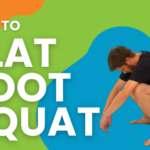
One of these is the flat-foot squat – sometimes called the Asian Squat or Primal Squat.
It’s a simple movement, but it can tell us a lot about how our bodies are designed to move, rest and stay mobile.
Why the Flat-Foot Squat Matters
Watch young children anywhere in the world and you’ll often see them naturally dropping into a deep squat to play, explore, eat or simply rest.
For many children, this position is effortless.
As we grow up, however, we tend to spend more and more time sitting in chairs. Western-style toilets, desks and modern lifestyles mean we have fewer reasons to squat during the day.
Over time, a movement that once felt natural can become unfamiliar and difficult.
And it isn’t necessarily about getting older.
If we stop practising a movement, we can gradually lose the mobility, strength and confidence needed to perform it comfortably.
Rediscovering a Natural Movement
Alison discovered the benefits of this natural movement more than two decades ago and began encouraging people to explore it for themselves.
At the time, the idea that something as simple as squatting could have an important role in our physical wellbeing was not widely accepted.
Thankfully, our understanding of movement has continued to develop, and natural movement patterns such as the flat-foot squat are receiving more attention.
The goal isn’t to force everyone into a perfect squat.
It’s about reconnecting with movement and giving our bodies opportunities to move in different ways.
What Can Squatting Offer?
A comfortable flat-foot squat requires movement through several parts of the body, including the:
- hips
- knees
- ankles
- feet
- spine
Exploring the squat can therefore be a useful way to work on mobility and movement confidence.
There is also growing interest in how squatting and other natural movement patterns may relate to everyday activities such as sitting on the floor, getting up and down, and using different positions comfortably.
And, as with any movement, what is appropriate will vary from person to person.
What’s Next?
The flat-foot squat is much more than simply being able to get your bottom close to the ground.
It’s about maintaining the ability to move, adapt and use our bodies in different ways throughout life.
In the next article, Alison explores the relationship between the flat-foot squat and hip health, including why maintaining mobility around the hips may be important as we age.
We highly recommend taking a few moments to read these articles:
Flat-Foot Squat – Avoid the Need for a Hip Replacement
Before Chairs – Why the Flat-Foot Squat Matters
Reconnecting with natural movement doesn’t have to mean making dramatic changes.
Sometimes, it starts with simply giving your body the opportunity to move in ways it hasn’t been asked to for a while.