A mentally healthy workplace doesn’t happen by accident.
So, how can you create one?
We spend a significant part of our lives at work. The people we work with, the way we’re treated, the demands placed on us and whether we feel supported can all influence how we feel – both at work and when we head home.
Yet workplace mental health is often reduced to managing stress, building resilience or encouraging people to take better care of themselves.
These things definitely matter. But a mentally healthy workplace is about more than helping people cope when things get difficult. It’s also about creating an environment where people feel supported, connected and able to do their best work.
Belonging Matters
This week’s Mental Health Awareness Week theme is Belonging Matters – reminding us that connection plays an important role in our mental health.
At work, belonging isn’t necessarily about being best friends with everyone or joining every social activity. It’s about feeling accepted, respected and included. It’s knowing that your contribution matters, that you can ask a question without feeling foolish, and that someone will notice if you’re having a tough time.
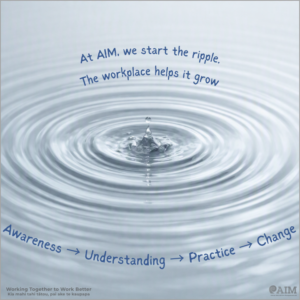
Small, everyday interactions can make a real difference.
A genuine greeting. A conversation that goes beyond “How’s work going?” Taking the time to listen. Including someone who might otherwise be left out. Checking in with a colleague who seems quieter than usual.
These moments may seem insignificant, but they help shape the workplace culture people experience every day.
It’s not just an individual responsibility
Of course, looking after our own mental health matters. Getting enough sleep, staying active, taking breaks and finding ways to manage pressure can all support our wellbeing.
But we also need to look at the environment people are working in.
Are workloads realistic? Do people have the resources and support they need? Are expectations clear? Can people raise concerns without fear of being dismissed or blamed? Do managers make time to listen?
These questions matter because workplace mental health isn’t simply about how workers respond to pressure. The way work is organised, the relationships people experience and the support available can all influence mental health.
WorkSafe New Zealand emphasises that businesses need to identify and manage work-related risks to mental health, rather than relying solely on individual wellbeing initiatives. Click here to read about Pyschosocial Risk
What can organisations do differently?
Creating a mentally healthy workplace doesn’t always require a major programme or a big budget. It starts with paying attention to everyday experiences at work.
As colleagues, we can:
- Make time for genuine conversations and listen without immediately trying to fix things
- Include others and notice when someone seems disconnected
- Offer practical support when a colleague is under pressure
- Treat each other with respect, especially when things get busy
As managers and employers, we can:
- Make expectations clear and check that workloads are manageable
- Encourage people to speak up and take concerns seriously
- Recognise contributions and provide constructive feedback
- Look for workplace pressures that could be reduced or addressed at the source.
These small actions won’t solve every challenge, but they can help build an environment where people feel safer asking for support and more connected to the people around them.
Small actions. Healthier workplaces.
Mental health at work isn’t just about preventing problems. It’s also about creating the conditions that help people feel valued, connected and supported.
During this Mental Health Awareness Week, consider one small action you could take to strengthen connection and belonging in your workplace. Check in with someone. Make space for a conversation. Invite a quieter voice into the discussion.
And remember that a friendly, supportive culture matters – but it needs to sit alongside realistic work demands, good work design and appropriate support.